
Productivity in Pharmaceutical Industry
Key Performance Indicators (KPIs) in Pharmaceutical Manufacturing:
1. Production Volume:
- The total number of units produced within a specified time frame.
- Importance: Higher production volumes indicate better utilization of resources and increased capacity to meet market demand.
2. Cycle Time:
- The total time it takes to produce a single unit from start to finish.
- Importance: Reducing cycle time leads to faster production rates and increased throughput.
3. Downtime:
- The amount of time production is halted due to equipment failures, maintenance, or other disruptions.
- Importance: Minimizing downtime ensures continuous production and maximizes operational efficiency.
4. Overall Equipment Effectiveness (OEE):
- A composite KPI that measures the efficiency of equipment, considering availability, performance, and quality.
- Importance: High OEE indicates optimal use of machinery and minimal losses in production processes.
5. First Pass Yield (FPY):
- The percentage of products that meet quality standards without requiring rework.
- Importance: High FPY reflects superior production quality and reduces costs associated with defects and rework.
6. Throughput:
- The rate at which products are produced and move through the production line.
- Importance: Higher throughput indicates efficient use of resources and faster time-to-market for finished products.
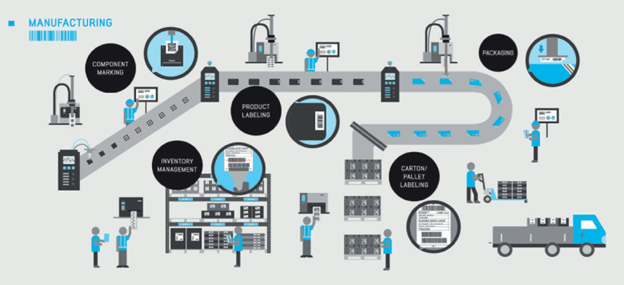
MES Impact on Productivity
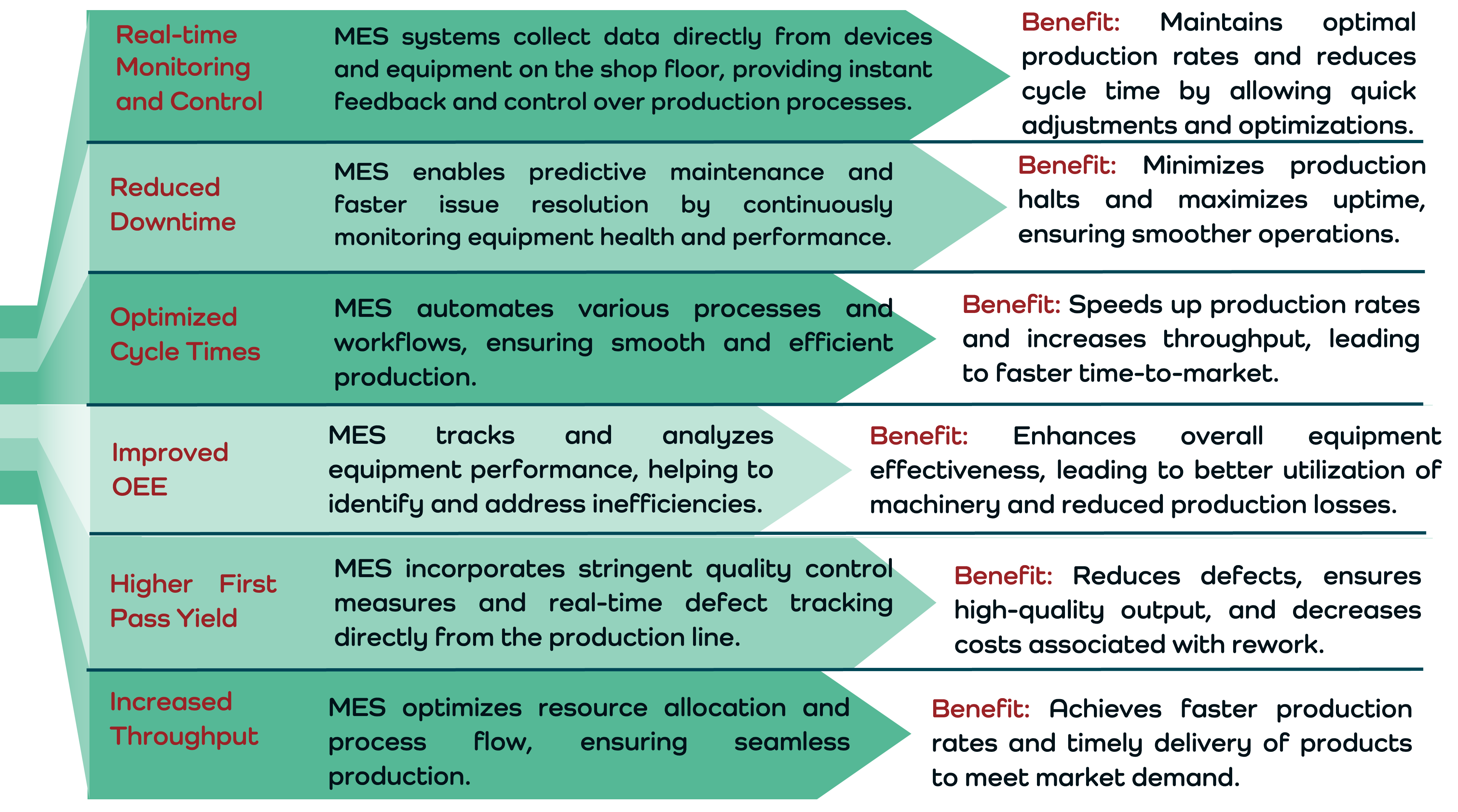
Manufacturing Execution Systems (MES) play a pivotal role in enhancing productivity in the food and beverage industry by providing real-time data, streamlining processes, and enabling better decision-making. Here’s how MES can impact key productivity KPIs:
Features of our MES for Pharmaceutical Industry
- Real-time Data Collection:
- Description: Our MES collects data
directly from devices and equipment on the shop floor without any manual
intervention. This ensures that you have accurate and up-to-date information at
all times.
- Benefit: Enables immediate
decision-making and quick responses to any production issues, enhancing overall
efficiency.
- Production Scheduling: Optimize production
plans and adjust schedules dynamically based on real-time data.
- Quality Management: Real-time quality
checks and defect tracking directly from the production line.
- Traceability: Complete tracking of
ingredients and materials throughout the supply chain with automatic data
capture.
- Compliance Management: Ensure regulatory
compliance with automated documentation and real-time monitoring.
- Maintenance Management: Predictive and
preventive maintenance to avoid unexpected downtimes.
- Performance Analysis: Detailed analytics
and reporting to identify improvement opportunities.
- Workforce Management: Efficient labor
management and shift scheduling based on real-time production needs.
By implementing an MES like our Smart, automotive manufacturers can significantly boost their productivity, ensuring they stay competitive and meet the ever-growing demands of the market.

Success Stories in Automotive Manufacturing
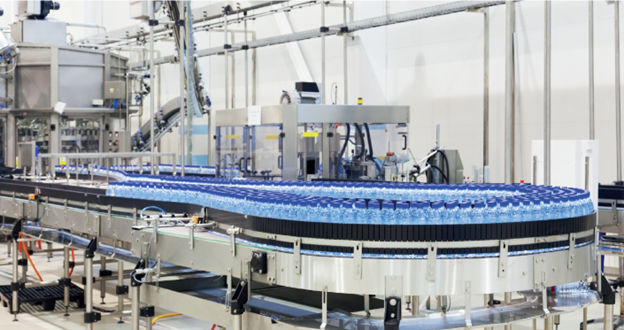
Coca-Cola, one of the world's largest beverage manufacturers, faced challenges with the reliability and efficiency of their mobile equipment within their manufacturing and distribution facilities.
Objectives
Enhance Equipment Reliability: Improve the uptime and reliability of mobile equipment, such as forklifts and automated guided vehicles.
- Optimize Maintenance: Implement predictive maintenance to reduce unexpected breakdowns and maintenance costs.
- Boost Operational Efficiency: Streamline operations and enhance productivity through real-time monitoring and data-driven decision-making.
Solution
We provided a comprehensive solution that included:
- IoT Integration: Deployed IoT sensors on all mobile equipment to collect real-time operational data.
- Advanced Analytics: Utilized machine learning algorithms to analyze data, predict potential failures, and optimize maintenance schedules.
- User Training: Conducted extensive training for Coca-Cola’s staff to effectively use the new tools and interpret the data.
Implementation
The project was executed in several phases:
- Pilot Phase: A pilot implementation was carried out in one of Coca-Cola’s major facilities to test and refine the system.
- Full Deployment: Following the successful pilot, the solution was rolled out across multiple facilities.
- Continuous Support: Provided ongoing support and updates to ensure the system’s optimal performance.
Results
- Increased Uptime: Equipment downtime was reduced by 20%, significantly improving production schedules.
- Cost Savings: Maintenance costs were cut by 15% due to the shift from reactive to predictive maintenance.
- Operational Efficiency: Enhanced real-time visibility into equipment status and operations, leading to a 10% increase in overall productivity.
- Data-Driven Decisions: Coca-Cola’s management gained valuable insights from the data, allowing for more informed decision-making.